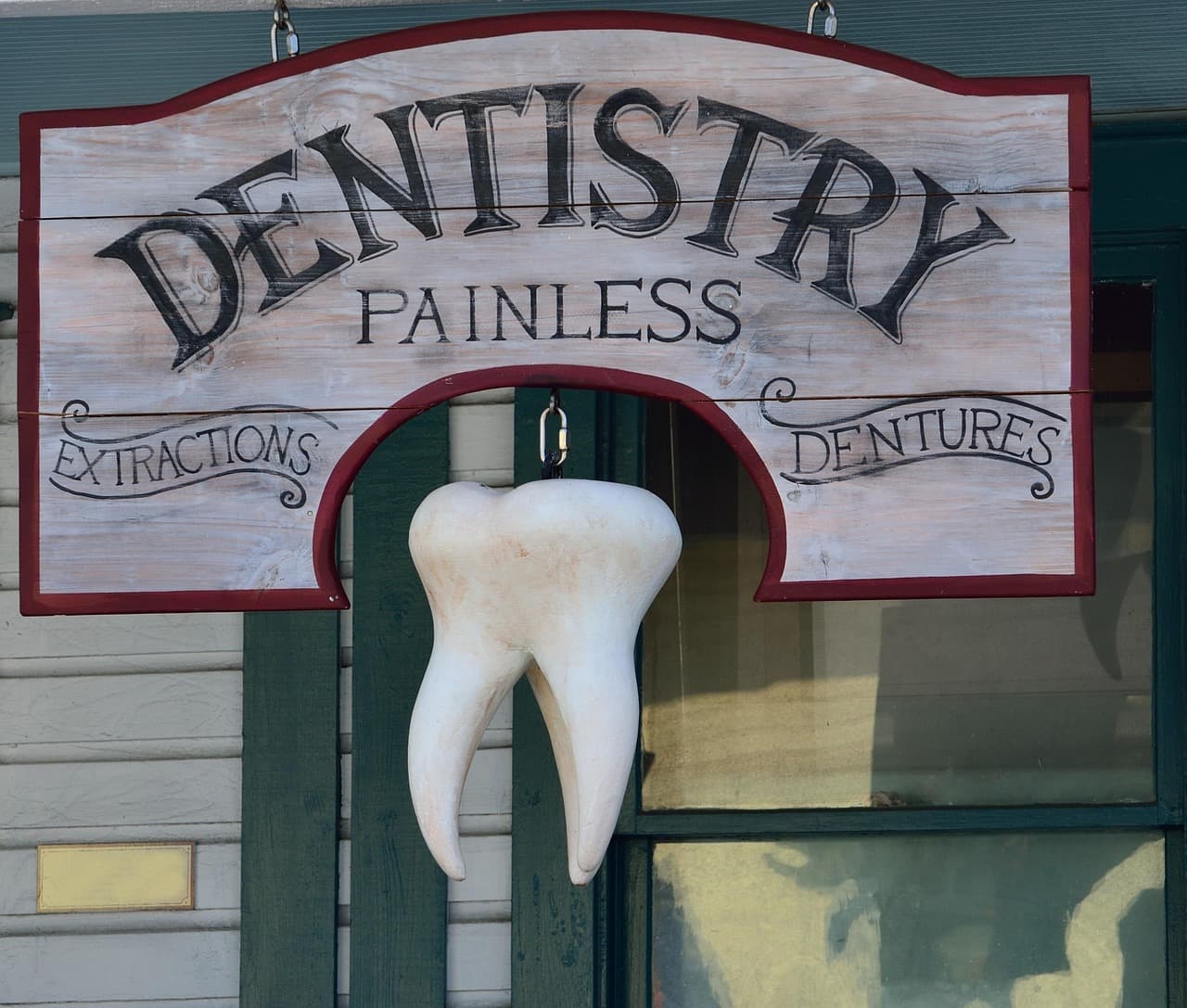
Oral and maxillofacial surgery in Lahore with a clear surgical plan.
Oral and maxillofacial surgery is for problems involving teeth, jaws, mouth tissues and facial structures. At Odonto, surgical dental care starts with diagnosis, risk review and a plain language plan before the procedure is booked.
- Wisdom tooth surgery, impacted tooth removal and complex dental extractions.
- Assessment for jaw swelling, cysts, non healing mouth ulcers and biopsy needs.
- Support for dental implants, bone grafting, ridge defects and sinus lift planning.
- Aftercare instructions for swelling, stitches, soft diet, medicine timing and dry socket prevention.
Surgical care for teeth, jaw, mouth and facial concerns.
Most patients arrive with one practical question: does this tooth need a normal extraction, a surgical removal or a different treatment altogether? The answer depends on position, infection, bone support, medical history and future restoration plans.
An oral surgeon manages dental problems that are too complex for a routine filling or simple extraction. This includes impacted wisdom teeth, deeply broken roots, jaw infections, mouth cysts, soft tissue lesions, facial trauma and surgical support for dental implants.
A good surgical visit is not only about removing something. It is about deciding whether removal is necessary, whether timing is urgent, which radiograph is needed, how anaesthesia will be managed and how recovery can be made predictable.
At Odonto, the plan is explained before the procedure. Patients are told what to expect during the visit, how long swelling may last, when stitches may be removed, what foods are safer and which warning signs need a call back.
Diagnosis before surgery
Radiographs and clinical checks help confirm tooth position, root shape, nerve proximity and infection risk.
Risk aware planning
Medical history, medicines, bleeding risk and diabetes control are reviewed before surgical treatment.
Aftercare that is written down
You leave with instructions for pain control, swelling, stitches, oral hygiene and soft food choices.
Signs you should not ignore.
These symptoms do not always mean surgery or specialist treatment is needed, but they do deserve a proper examination before the problem becomes harder to manage.
Painful wisdom tooth
Pain at the back of the jaw, swelling or bad taste may point to a partially erupted or impacted wisdom tooth.
Broken tooth below gum
A tooth fractured deep under the gum may need surgical access instead of a simple extraction.
Jaw or facial swelling
Swelling can come from dental infection, cysts or deeper tissue involvement and should be assessed quickly.
Non healing mouth ulcer
A mouth sore that does not heal needs examination and may need biopsy to identify the cause.
Root fragment left behind
Small roots can be close to bone or sinus spaces, so removal should be planned carefully.
Implant bone concern
Bone loss may require grafting, ridge shaping or staged planning before implant placement.
Surgery should solve the right problem, not just remove the visible tooth.
A wisdom tooth can hurt because of gum infection, decay in the tooth beside it, bite trauma, cyst change or crowding pressure. Treating the wrong cause can leave the patient with the same pain after surgery.
The consultation checks tooth position, nerve location, sinus relation, infection, restorability and medical risks. That is what separates a rushed extraction from a planned surgical decision.
Care is planned around the diagnosis.
The service list below is here to help you understand the options. At the visit, the plan is narrowed down after examination, radiographs and a clear discussion of benefits, risks and recovery.
Wisdom tooth surgery
For impacted, infected, decayed or painful third molars where cleaning or routine removal is not predictable.
Surgical tooth extraction
For broken teeth, curved roots, retained roots or teeth that need bone access for careful removal.
Jaw infection and swelling care
Assessment and drainage planning for dental infections that spread into gum, jaw or facial tissues.
Oral cyst and biopsy assessment
Evaluation of cyst like shadows, gum swellings, mouth lumps and ulcers that need further diagnosis.
Bone grafting support
Planning for implant sites where bone shape, ridge width or sinus anatomy needs improvement.
TMJ and jaw movement review
Initial assessment for jaw pain, locking, clicking, muscle tenderness and bite related symptoms.
How treatment is planned.
Good treatment starts with the decision before the procedure. The steps stay simple for patients, but the clinical checks behind them are careful.
Examination and radiograph
We check the tooth, gum, bite, swelling and radiograph before discussing surgical need.
Risk and medicine review
Medical history, allergies, blood thinners, diabetes and previous surgery experience are noted.
Local anaesthesia and surgery
The area is numbed, tissue is handled carefully and the tooth or lesion is treated as planned.
Stitches and recovery plan
You receive aftercare steps for pressure, swelling, medicines, cleaning and follow up.
Simple extraction or surgical removal?
The name of the procedure matters less than whether the tooth can be removed safely and cleanly.
Surgical removal may be needed when
- The tooth is impacted under gum or bone.
- Roots are curved, separated or close to important structures.
- The crown has broken down and cannot be gripped safely.
- A cyst, infection or retained root requires controlled access.
A simpler approach may be enough when
- The tooth is fully visible and mobile enough for routine removal.
- Root shape is straightforward on the radiograph.
- There is no significant swelling or bone complication.
- The patient has low medical risk and routine healing is expected.
What patients usually ask before oral surgery.
Preparation and aftercare affect comfort as much as the procedure itself. The clinic explains recovery before you leave.
Swelling after surgery
Swelling often peaks after the first day or two. Cold packs, head elevation and correct medicine timing help.
Dry socket prevention
Avoid rinsing hard, smoking or using straws early after extraction because the healing clot must stay stable.
Soft food choices
Cool, soft foods are easier during early healing. Hot spicy foods can irritate the wound.
When to call back
Increasing swelling, fever, uncontrolled bleeding, breathing trouble or worsening pain should be reported quickly.

Dr Ammar Khan Niazi
Oral and Maxillofacial Surgeon
Dr Ammar Khan Niazi is an oral and maxillofacial surgeon and Assistant Professor at University of Lahore Hospital.
- Specialist surgical training for tooth, jaw and mouth conditions.
- Experience with impacted teeth, surgical extractions and oral pathology assessment.
- Academic role supports careful diagnosis, documentation and patient education.
Recent care at Odonto
A look at the clinic environment, treatment planning and service related care. Treatment photographs are shared only where consent is available, and results vary by case.
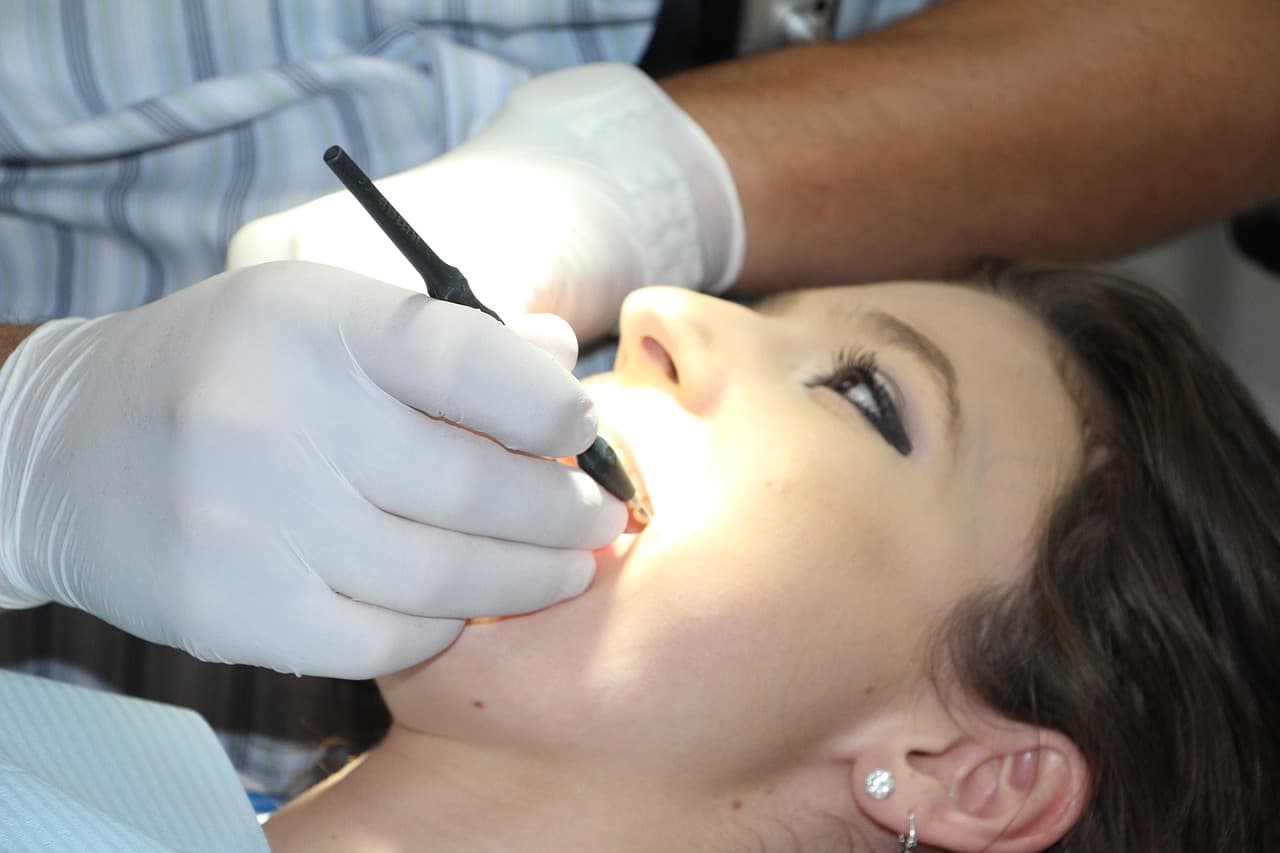
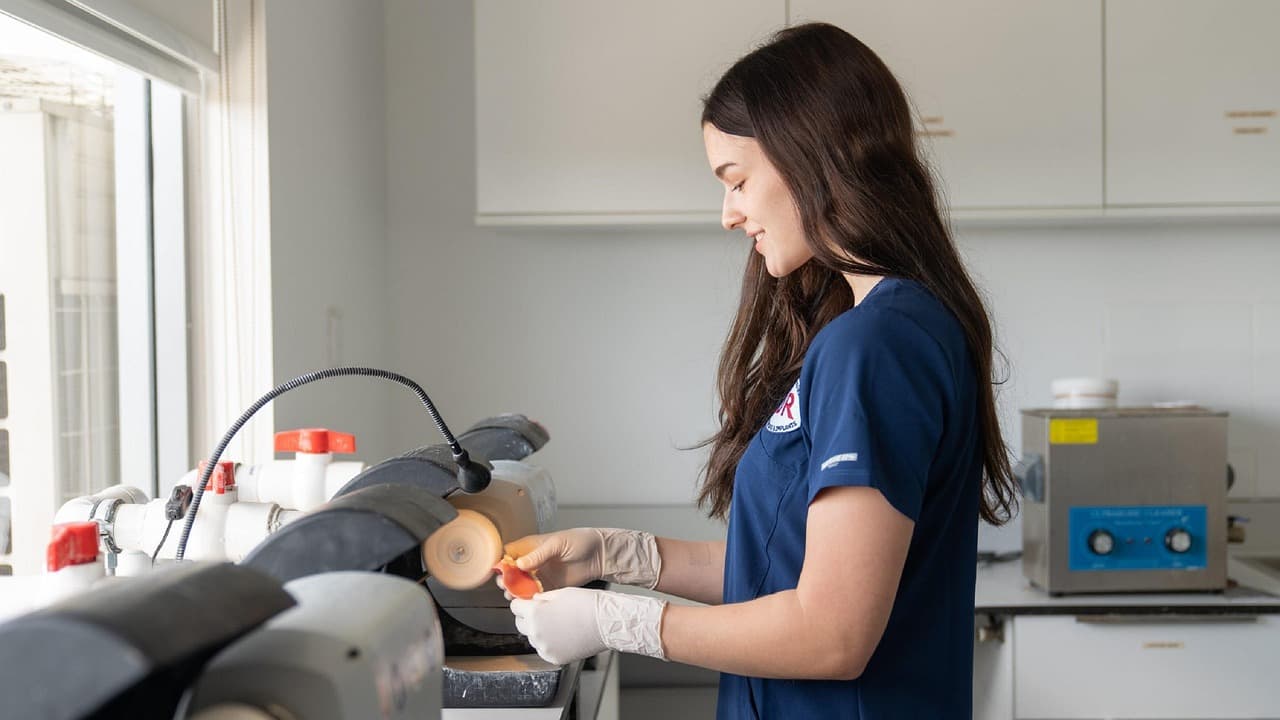
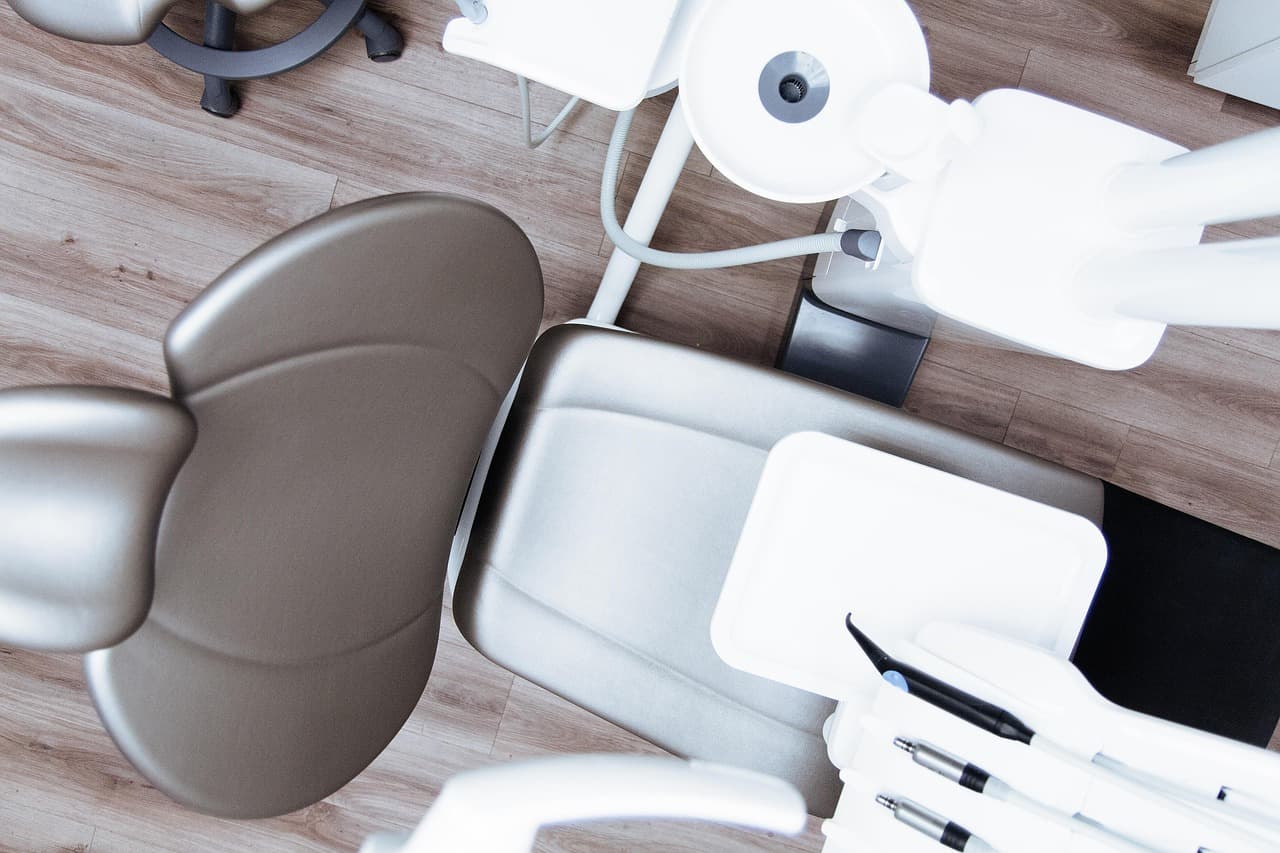
Want to see more clinic updates and patient education?Follow Odonto on social channels or message us for the most relevant examples before your visit.
Book an appointmentCommon patient questions.
These answers are a starting point. Your exact plan depends on examination, radiographs, medical history and the condition of the tooth, gum, jaw or bite.
What is oral and maxillofacial surgery?
What is maxillofacial surgery?
How long is maxillofacial surgery?
Is wisdom tooth surgery painful?
What does an oral surgeon do?
Do I need an X ray before surgical extraction?
Can a broken tooth be removed the same day?
What should I avoid after oral surgery?
Book at Odonto on Main Defence Road.
Share your symptoms on WhatsApp and the team will guide you on appointment timing.
Book at Odonto on Main Defence Road.
Odonto Dental and Aesthetic Clinic is located on Main Defence Road, Block A1, Engineers Town. If you are in acute pain, message first so the team can guide you on timing, pain medicine precautions and whether swelling needs urgent attention.
Bring any old radiographs, prescriptions, crown records or previous treatment notes if you have them. If you do not, that is fine; we can start with a fresh examination and guide the next step after diagnosis.
Phone
+92 320 6373744Hours
Open daily, 11 AM to 10 PM
Address
Plot # 7 Shop # 2, Main Defence Rd, Block A1, Engineers Town, Lahore
Booking
Confirm slot on WhatsAppRelated dental pages.
These internal pages help patients compare nearby treatment options before booking a consultation.
Tooth extraction
Compare simple and surgical tooth removal.
RelatedDental implants
Plan replacement after tooth loss or grafting.
RelatedRoot canal treatment
Check whether a painful tooth can be saved.
RelatedDental crowns
Restore teeth that can be saved after treatment.
RelatedWisdom tooth problems
Learn signs that a wisdom tooth needs attention.
RelatedEmergency dental care
Know when swelling or trauma is urgent.